Happy Mind Happy Life Review
When I browse through digital design assets, I am always looking for more than just a pretty image. As a designer who stitches these files into physical products, I need to know how a design translates from a screen to the fabric. Today, I am evaluating Happy Mind Happy Life Take It One Day. This is not just another generic quote graphic; it is a piece of T-Shirt Designs and Graphics that carries a specific emotional weight. My goal here is to determine if this file holds up under the needle, whether it works for commercial embroidery projects, and if it deserves a spot in your craft business inventory.
First Impressions and Mood
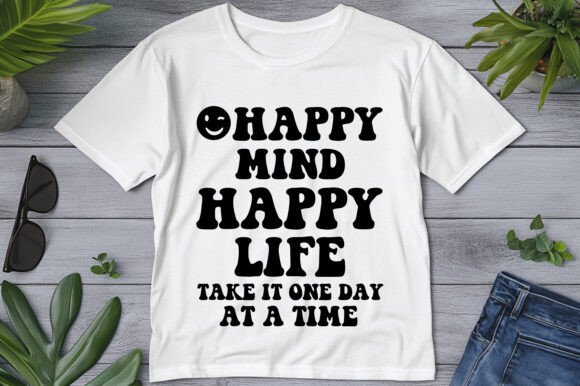
The moment you open the file, the mood is immediately clear. The phrase "Take It One Day at a Time" resonates with anyone navigating stress, new motherhood, or career changes. In the world of machine embroidery design, typography is everything. If the lettering is cluttered, the message gets lost. If the spacing is off, the stitch density becomes uneven. This design strikes a balance between readability and aesthetic charm. It feels like a personalized gift waiting to happen—something a customer would buy for themselves as a reminder, or for a friend going through a tough time.
Visually, the layout suggests a clean, modern approach. It does not rely on excessive flourishes but rather on strong legibility. This makes it incredibly versatile. It fits naturally into categories like custom apparel, nursery decor, or even professional workwear where a subtle motivational touch is appreciated without being overly loud. The visual personality is calm, supportive, and grounded. It is the kind of design that looks good stitched onto a soft cotton tee or a structured canvas tote.
Real-World Application: From Screen to Stitch
Let’s imagine a real scenario. You are preparing for an upcoming craft fair or updating your Etsy shop for the holiday season. You have a stack of blank sweatshirts and organic cotton t-shirts ready to go. You decide to use Happy Mind Happy Life Take It One Day for a line of boutique products. Here is how it performs in practice.
On a sweatshirt embroidery project, this design shines. The larger surface area allows the typography to breathe. When stitched, the contrast between the thread and the fabric creates a tactile experience that customers love. It works exceptionally well as a holiday embroidery item, perhaps paired with neutral tones like cream, sage green, or slate blue. It also translates beautifully to a tote bag design. A sturdy canvas bag with this phrase stitched on the front pocket becomes an instant accessory for anyone heading to work or the market. It signals mindfulness before the person even opens the bag.
For baby embroidery, this design offers a gentle, comforting vibe. Imagine it on a burp cloth or a onesie for a baby shower gift. The sentiment appeals to parents who are learning to take things one day at a time. However, when scaling down for smaller items, you must be mindful of the hoop size. If the text becomes too small, individual letters may merge during stitching, losing their clarity.
Technical Performance and Stitch Clarity
As a reviewer, I look closely at how the design handles different stitch types. While the exact technical breakdown depends on the digitizing software used, a design of this nature typically relies on a mix of satin stitch for outlines or bold letters and fill stitch for any graphical elements. The key metric here is stitch density. If the density is too high, the fabric can pucker. If it is too low, the backing material might show through.
This design appears to have a balanced density that should sit flat on most standard fabrics. For commercial embroidery consistency, it is crucial to test the file on scrap fabric first. Check how the thread colors interact with the base material. On dark fabric, you will likely need a cut-away stabilizer to prevent show-through, especially if the design uses light-colored threads. Conversely, on light fabrics, the design maintains its crispness without requiring heavy stabilization.
One aspect to consider is the running stitch detail. If the design includes fine lines or script elements, ensure they are long enough to stitch cleanly. Short, jagged running stitches can look messy and reduce the perceived value of the handmade product. Based on the visual structure, this design seems robust enough to handle standard machine speeds without breaking thread or skipping stitches.
Where to Use It Carefully
Not every surface is suitable for every design. There are specific situations where Happy Mind Happy Life Take It One Day might struggle:
- Small Hoop Sizes: Avoid placing this on tiny items like wristbands or very small patches where the text would become illegible.
- Textured Fabrics: Heavily textured materials like bouclé or thick fleece can distort the fabric texture interaction, making the edges of the letters look fuzzy.
- Stretchy Fabric: While jersey knits are common for tees, highly stretchy fabrics require careful hooping and potentially a tear-away stabilizer to prevent distortion.
- Curved Surfaces: Applying this to a cap or hat requires precise positioning. If the curve is too aggressive, the text may warp visually.
- Dense Stitch Areas: If you plan to add additional graphics around the text, ensure there is enough negative space to avoid a bulky, stiff final product.
Impact on Brand and Customer Trust
In the era of online shopping, presentation is everything. Using a clean, well-executed design like this enhances your brand consistency. When a customer receives a finished product that looks professional, it builds trust. They perceive the item as higher quality, even if the base garment is affordable.
This design also boosts buyer engagement. People connect with words. A shirt that says "Happy Mind Happy Life" is not just clothing; it is a statement. Customers often share photos of such items on social media, providing free marketing for your craft business. It is a printable mockup dream because the message stands out clearly even in thumbnail images on Etsy or Amazon Handmade.
Practical Designer Notes
Before you start mass-producing items with Happy Mind Happy Life Take It One Day, follow these practical steps:
- Test on Scrap Fabric: Always run a test stitch on the actual fabric you intend to sell. This reveals issues with tension or color contrast early.
- Check Licensing: Confirm whether the digital embroidery file allows for commercial use. Selling finished items usually requires a commercial license, while using it for personal gifts does not.
- Review Black and White Mockups: Convert the design to black and white to check for contrast issues. Ensure the text pops against your chosen thread colors.
- Inspect Small Details: Zoom in on the vector files (SVG/EPS) provided. Check for any unnecessary nodes or awkward curves that might cause stitching errors.
- Stabilizer Selection: Choose the right stabilizer for your fabric type. Cut-away for knits, tear-away for wovens, and hoody-style for heavy garments.
Final Verdict
Happy Mind Happy Life Take It One Day is a solid addition to any designer’s library. It is emotionally resonant, technically sound, and versatile enough for a wide range of embroidery project ideas. Whether you are creating aprons, pillow covers, or kitchen towels, this design brings a sense of calm professionalism. It is ideal for Etsy sellers and small shop owners looking to expand their catalog with meaningful, wearable art. Just remember to test thoroughly and respect licensing terms. If you do, this design will serve you—and your customers—well.