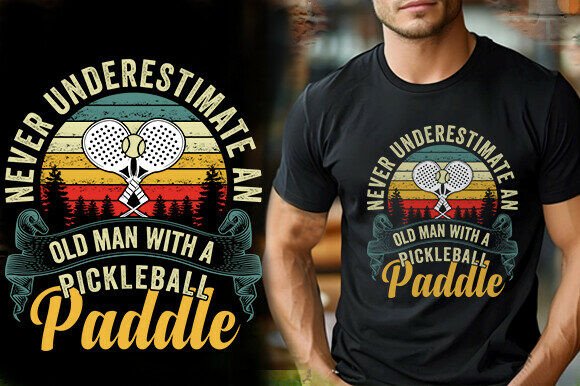
Never Underestimate An Old Man With A Pi
As an embroidery designer who has spent years digitizing, testing, and reviewing designs for both personal hobby projects and commercial client work, I have learned to look past the flashy title of a file. The real value lies in how a design behaves under the needle, how it translates from screen to fabric, and whether it holds up as a finished product that customers will actually want to wear or display. Recently, I evaluated a design titled NEVER UNDERESTIMATE an OLD MAN with a PI. At first glance, it falls into the category of T-Shirt Designs within the Graphics sector, but my review focuses on its potential as a machine embroidery design rather than just a print-ready graphic.
The premise of this design is clever. It plays on the phrase "never underestimate an old man with a gun," substituting "PI" (the mathematical constant) for a weapon. This creates an immediate sense of humor, intellect, and nostalgia. For designers targeting niche markets—such as math teachers, engineers, retirees, or STEM enthusiasts—this kind of witty, text-based humor often performs better than complex imagery because it is instantly readable and relatable. However, turning a text-heavy graphic into a successful embroidery project requires careful consideration of stitch types, density, and placement.
First Impressions and Visual Personality
When I first opened the embroidery file for NEVER UNDERESTIMATE an OLD MAN with a PI, my initial assessment focused on the layout and the balance between the text and any accompanying graphics. The mood created by the design is lighthearted yet authoritative. It suggests a character who is wise, perhaps a bit mischievous, and deeply knowledgeable. This personality shines through in the way the letters are likely spaced and weighted. In embroidery, text can easily become cluttered if the letter spacing (kerning) is too tight or if the font choice is overly ornate. A clean, bold font usually works best for this type of humorous statement, ensuring that the punchline lands clearly even when stitched.
The visual appeal of this design lies in its simplicity. Unlike intricate pictorial designs that require dozens of thread colors and fine details, this design relies on typography. This makes it highly versatile for various handmade products. Whether you are creating a custom apparel item like a sweatshirt or a more subtle accessory like a tote bag design, the text-based nature allows it to fit seamlessly into different aesthetics. It feels professional enough for a boutique branding item but casual enough for a craft fair product sold to hobbyists.
Real-World Application: From Screen to Stitch
I decided to test this design in a practical scenario: preparing a batch of personalized gifts for a local retirement party. The recipients were former mathematics teachers, making the theme perfectly aligned with their identities. I chose to embroider this onto dark-colored cotton twill caps, a popular choice for embroidered patches and headwear. The contrast between the bright thread colors and the dark fabric was crucial here. I selected white thread for the main text to ensure maximum readability, which is a common strategy for text-heavy embroidery files.
The performance of NEVER UNDERESTIMATE an OLD MAN with a PI during the stitching process was largely positive. Because the design is primarily text, the stitch density remained manageable. This is important for preventing fabric puckering, especially on thinner materials. However, I noticed that the curves in the letter "P" and "I" required attention. Using a satin stitch for these characters ensured they held their shape without excessive bulk. If the design had included large fill stitch areas, I might have had to adjust the stabilizer choice to prevent distortion.
This design also proved excellent for digital product sellers. Many Etsy sellers use printable mockups to showcase their digital embroidery files before selling them. The clear, bold nature of this design translates well into thumbnail images, making it attractive to buyers looking for quick, easy-to-stitch projects. It fits perfectly into categories for holiday embroidery, such as Christmas gifts for grandparents, or back-to-school items for teacher appreciation. The versatility extends to baby embroidery as well; while the humor might be lost on infants, parents often enjoy gifting witty designs to older siblings or keeping them as keepsakes for later.
Where Caution Is Required
Despite its strengths, there are specific situations where this design should be used carefully. Small hoop sizes can be problematic if the text is wide. If you attempt to stitch this on a tiny patch or a small section of a garment, the letters may crowd together, reducing legibility. Always check the hoop size requirements before committing to a small project area.
Textured fabrics pose another challenge. While smooth cottons and polyesters work well, heavily textured materials like bouclé wool or thick chenille can obscure the fine details of the text. In such cases, the satin stitches might not lay flat, leading to a messy finish. Additionally, stretchy fabrics like jersey knits require a sturdy tear-away or cut-away stabilizer to prevent the text from warping as the fabric stretches. Without proper stabilization, the phrase "NEVER UNDERESTIMATE an OLD MAN with a PI" could end up looking distorted and unprofessional.
Dense stitch areas should also be monitored. If the design includes decorative accents around the text, ensure they do not overlap with the lettering. Overlapping stitches can cause thread breaks and needle damage, especially on high-speed machines. For commercial embroidery projects, where efficiency is key, avoiding unnecessary complexity helps maintain production speed and reduces waste.
Practical Designer Notes for Best Results
To get the most out of this embroidery file, I recommend following a few practical steps. First, always test the design on scrap fabric that matches the weight and texture of your final product. This allows you to assess the thread color contrast and inspect small details like the serifs or curves in the letters. Testing in black and white mockups can also help you visualize how the design will look in monochrome thread combinations, which is useful for cost-saving measures.
Choosing the right stabilizer is non-negotiable. For woven fabrics, a tear-away stabilizer is usually sufficient, but for knit fabrics or stretchy materials, a cut-away stabilizer provides better long-term support. This ensures that your finished product maintains its shape after multiple washes, a critical factor for customer trust and satisfaction.
Furthermore, consider the context of the finished product. If you are selling this as a small shop product on platforms like Etsy or Amazon, include clear care instructions. Embroidered text can sometimes snag if not handled gently, so advising customers to turn garments inside out during washing can extend the life of the embroidery. This level of detail enhances the perceived value of your handmade product and demonstrates professionalism.
Licensing and Commercial Use
Before using NEVER UNDERESTIMATE an OLD MAN with a PI for commercial purposes, it is essential to verify the licensing terms. The description mentions that the design is suitable for Amazon, Shopify, Etsy, Teespring, Redbubble, and other POD sites. However, this does not automatically grant unlimited commercial rights. Some digital embroidery files come with restrictions on the number of units you can sell or prohibit resale of the digital file itself. Always read the fine print or contact the designer directly to confirm whether you can use this design for unlimited commercial embroidery projects. This due diligence protects your business from potential legal issues and ensures ethical use of design assets.
Final Verdict
Overall, NEVER UNDERESTIMATE an OLD MAN with a PI is a strong candidate for designers looking for witty, text-based embroidery projects. Its clear message, manageable stitch density, and broad appeal make it suitable for a wide range of applications, from custom apparel to personalized gifts. By paying attention to fabric choice, stabilization, and licensing, you can transform this simple graphic into a high-quality, marketable embroidery file. Whether you are a seasoned pro or a hobbyist starting your craft business, this design offers a fun and engaging way to connect with audiences who appreciate a good intellectual joke.