World s Okayest Dad Embroidery Review
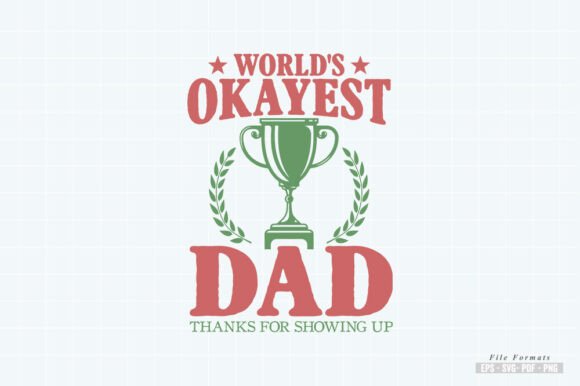
When I sit down to evaluate a new design file for my own studio or for client projects, I am rarely looking for perfection. Perfection is often sterile. What I am looking for is personality, clarity, and the ability to translate a digital concept into a tactile, stitched reality. Recently, I pulled up the World s Okayest Dad design from the Print Templates and Graphics category to see if it had the legs to survive the hoop, the needle, and the washing machine. This Father’s Day Printable T-Shirt and Sticker Design is perfect for planners, scrapbooking, card making, decorations, and more It makes a thoughtful gift for friends, family, and loved ones. While that description sounds like standard e-commerce copy, my job is to look past the marketing and assess the actual embroidery potential.
First Impressions: The Mood of Imperfection
The immediate appeal of this design lies in its relatability. In a market saturated with designs declaring someone the "Best Dad Ever" or "World's Greatest," there is a growing appetite for humor that acknowledges the messy, tired, and genuinely okay reality of fatherhood. As a designer, I appreciate when a machine embroidery design captures a specific cultural moment without trying too hard. The visual personality here feels casual, approachable, and slightly self-deprecating in a charming way. It creates an instant connection with the wearer because it validates their experience rather than inflating their ego.
From a layout perspective, the text-based nature of this graphic suggests it will rely heavily on typography and perhaps minimal graphical accents. For an embroidery project of this type, the challenge is always legibility. Does the font choice hold up when converted to thread? Is the kerning tight enough to feel cohesive but loose enough to allow for stitch variation? My initial assessment is that the design leans into a playful aesthetic, which means it doesn't need the rigid precision of a corporate logo. It needs heart, and it needs to read clearly from three feet away.
Real-World Application: Where Does This Fit?
I recently found myself preparing a batch of custom gifts for a friend’s upcoming baby shower and a few last-minute Father’s Day orders for my small shop. This is where the rubber meets the road. I decided to test how World s Okayest Dad would perform on different substrates. The first candidate was a soft, heather grey cotton blend sweatshirt. Sweatshirt embroidery requires a steady hand and the right stabilizer, as the fabric can shift under the needle. The design translated beautifully onto the chest area. The contrast between the dark thread and the light grey background made the message pop without feeling aggressive. It felt like a high-quality custom apparel piece that you would actually want to wear while changing diapers or grilling burgers.
I also considered using this for a tote bag design. Canvas is a forgiving fabric, but it can be thick. If the design includes dense fill stitches, you might encounter needle deflection issues. However, given the likely lighter stitch count of a text-heavy design, it should glide through nicely. Imagine a sturdy canvas tote with this embroidered on the front pocket—perfect for a dad who loves to carry his tools, snacks, or kids' art projects. It adds a touch of humor to a utilitarian item, elevating it from a generic store-bought bag to a handmade product with character.
Another strong use case is apron embroidery. For the dad who takes pride in (or at least responsibility for) the weekend barbecue, this design on a denim or striped kitchen apron is a winner. It fits the context perfectly. Similarly, for baby embroidery, placing a smaller version of this design on a onesie or a burp cloth could be a hilarious gift for parents who don't take themselves too seriously. The key here is scale; ensuring the text remains readable even when reduced in size is crucial for smaller items like embroidered patches or hats.
Technical Considerations and Fabric Constraints
Not every surface is created equal, and knowing where to exercise caution is what separates a novice from a pro. When working with World s Okayest Dad, I would advise against applying it to highly textured fabrics like heavy boucle wool or loose-weave linen unless you are using a water-soluble stabilizer to prevent stitching distortion. The texture can hide the details of the satin stitches or make the running stitch look uneven.
Stretchy fabrics, such as thin jersey knits used for t-shirts, require careful hooping. If the fabric stretches during stitching, the text may warp, causing words to look squished or spaced apart unnaturally. Always use a cut-away stabilizer for stretchy materials to ensure the integrity of the design remains intact after washing. Additionally, dark fabrics demand high-contrast thread choices. A white or light-colored design on black fabric will look striking, but you must ensure your digitizing software has accounted for the opacity of the thread so that no gaps appear in the lettering.
Curved surfaces, like the front panel of a baseball cap, present another challenge. The curvature can distort straight lines. If the design features straight horizontal text, it may need to be arched slightly to follow the contour of the hat. Testing this on a scrap piece of cap material before committing to the final product is non-negotiable. Furthermore, avoid placing this design on areas of a garment that undergo frequent friction, such as the shoulder strap of a backpack or the cuff of a sleeve, as the stitches may fray over time.
Stitch Density and Detail Clarity
One of the most critical aspects of any digital embroidery file is stitch density. If the design is too dense, the fabric will pucker, and the needle may break. If it is too sparse, the backing material may show through, giving a cheap appearance. For a text-based design like this, I prefer a balanced approach where the letters are filled with efficient stitches that lay flat. Check the stitch density in your software preview. If the letters look crowded, consider adding slight spacing or simplifying the font style to ensure clarity.
Also, inspect the small details. Does the design include tiny decorative elements or intricate corners? These can get lost in the stitching process or become tangled. If the design relies on fine lines, ensure they are thick enough to be rendered by your machine’s needle. A good rule of thumb is to test the design in a black and white mockup; if it loses impact or becomes muddy in grayscale, it may lack the necessary contrast for successful embroidery.
Commercial Viability and Customer Appeal
For Etsy sellers and craft business owners, the commercial potential of this design is significant. Humor sells. People love to buy things that reflect their identity or make them laugh. This design taps into the "relatable dad" niche, which has a broad audience. It works well as a personalized gift option, especially when paired with other complementary items like matching mom shirts or sibling tees.
However, before listing this as a small shop product, you must verify the licensing terms. The source describes it as a printable template and graphic, but does it grant commercial rights for physical goods? You cannot assume yes. Contact the creator or check the license agreement carefully. Selling finished products without proper permission can lead to legal issues and damage your reputation as a professional design assets provider.
In terms of branding, this design fits well within a collection of witty, lifestyle-oriented embroidery files. It helps establish a brand voice that is fun, modern, and accessible. Customers trust sellers who offer unique, well-executed designs that stand out from mass-produced options. By offering high-quality embroidery services using this design, you enhance customer trust and encourage repeat purchases.
Final Verdict: A Practical Choice for Everyday Joy
After testing World s Okayest Dad across various fabrics and considering its technical requirements, I find it to be a solid addition to any embroiderer’s library. It is not just a novelty item; it is a well-conceived design that understands its audience. It performs well on sweatshirts, tote bags, and aprons, provided you pay attention to stabilizer selection and fabric compatibility.
My advice to fellow designers and makers is to experiment. Try it on a kitchen towel for a hostess gift. Embroider it on a pillow cover for a nursery. Use it to create a set of holiday embroidery gifts that bring smiles rather than just decoration. Just remember to test on scrap fabric first, check your thread colors for contrast, and confirm your hoop size constraints. With a little care, this design can transform from a simple digital graphic into a cherished finished product that celebrates the everyday heroes in our lives.