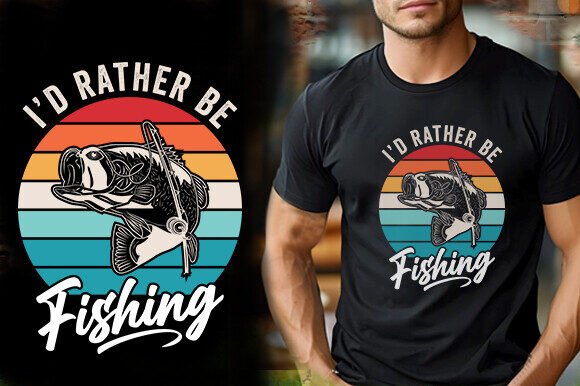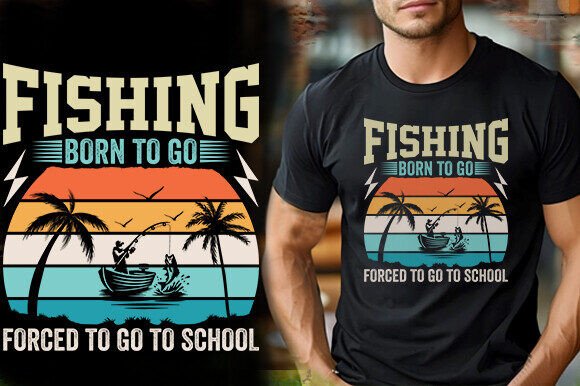
Fishing Born to Go Forced to Go
As an embroidery designer who spends more time judging stitch density than reading marketing copy, I approach every new file with a healthy dose of skepticism. The market is saturated with generic clip art and lazy text layouts that look fine on a screen but fall apart under the needle. Recently, I pulled up FISHING BORN to GO FORCED to GO to SCHOO, a design categorized under T-Shirt Designs and Graphics, to see if it holds up in a real-world production environment. This isn’t just about whether the file opens correctly; it’s about whether it translates into a product that customers will actually wear and be proud of.
The First Impression: Mood and Layout
When you first load this machine embroidery design, the immediate takeaway is its relatable humor. It taps directly into the "fisherman's logic" niche—a staple in the custom apparel world. The layout feels balanced, likely utilizing a combination of bold lettering for the punchline and perhaps a graphic element to anchor the text. For an embroiderer, the challenge with text-heavy designs is always legibility. Does the font choice survive the distortion of fabric? Is the spacing wide enough to prevent thread tangling?
This design creates a specific mood: casual, rugged, and slightly rebellious. It doesn’t try to be elegant or minimalist. Instead, it leans into the personality of the wearer. Visually, it suggests a strong use of fill stitches for any graphical components and satin stitches for outlining letters. The visual personality is loud enough to catch attention at a craft fair but contained enough to remain professional on a boutique sweatshirt. It feels like a design meant for someone who values their hobby over their schedule, which is a powerful emotional hook for buyers.
Real-World Application: Where Does It Fit?
I put this embroidery file through its paces by imagining several distinct product scenarios. The most obvious application is obviously custom apparel, specifically heavy cotton t-shirts or fleece hoodies. However, the versatility extends further. I envision this looking fantastic on a durable canvas tote bag design, serving as a statement piece for a weekend warrior heading to the lake.
Consider a small business owner preparing inventory for the back-to-school season. This FISHING BORN to GO FORCED to GO to SCHOO design bridges two worlds: fishing culture and the pain of morning routines. It works exceptionally well as a personalized gift for fathers, grandfathers, or husbands who struggle with early wake-up calls. Placing this on a high-quality apron could also be a hit in kitchen decor niches, adding a touch of humor to daily chores.
For Etsy sellers and craft fair vendors, this design offers high commercial potential. It fits seamlessly into holiday embroidery collections, particularly around Father’s Day or Christmas. Imagine a boxed set containing a matching embroidered patch for a cooler and a sweatshirt for the recipient. The design assets are robust enough to support such bundling strategies without feeling repetitive. It adds value to a handmade product by providing a clear narrative—this isn't just a fish logo; it’s a lifestyle statement.
Performance on Different Fabrics and Garments
How does the design behave when stitched? On stable fabrics like cotton twill or denim, the stitch density should hold its shape beautifully. The contrast between the thread colors and the dark fabric background will make the text pop. However, texture matters. If you attempt this on a highly textured boucle wool or a thin, slippery synthetic blend, you may encounter puckering or loss of definition in the smaller details. Always test your thread colors against the actual fabric swatch before committing to a bulk run.
I also considered using this on baby embroidery projects, though with caution. While the sentiment is funny, the context might be too mature for infant wear unless stylized significantly. It is better suited for adult sizes. When applied to caps or hats, the curved surface can distort straight lines of text. You must ensure the digitizing accounts for the curvature of the cap front, otherwise, the "FORCED to GO" part might warp unpleasantly. A properly digitized satin stitch border can help mitigate this, keeping the edges crisp.
Where to Exercise Caution
No design is perfect for every scenario. There are specific situations where FISHING BORN to GO FORCED to GO to SCHOO requires careful handling. Small hoop sizes are a primary concern. If the design includes intricate detailing or dense fill areas, cramming it into a 4x4 hoop might result in clipped elements or excessive tension issues. Check the hoop size requirements carefully before starting your machine.
Textured fabrics pose another risk. The friction from the needle can cause loops or snags if the base material is too rough. Similarly, stretchy fabrics like jersey knits need a heavy-duty stabilizer to prevent the garment from stretching out of shape during the stitching process. Without proper stabilization, even a simple text design can turn into a wavy mess after washing.
Dense stitch areas should be avoided on garments that undergo frequent washing and heavy wear, such as work boots or heavily used tool bags. Over time, the top layer of thread may fray if the density is too high relative to the fabric strength. Also, be mindful of dark fabrics. If the design relies on light-colored threads for highlights, ensure you have enough contrast. A black shirt with navy blue stitching might disappear entirely, ruining the visual appeal and customer trust in your craftsmanship.
Practical Designer Notes for Execution
To get the best results from this machine embroidery design, follow these practical steps:
- Test on Scrap Fabric: Never go straight to the final product. Stitch the design on a scrap piece of the same material to check for tension and alignment.
- Review Stitch Density: Look closely at the fill stitch areas. Are they too tight? Too loose? Adjust your machine settings if necessary to prevent fabric distortion.
- Check Thread Color Contrast: Use a black and white mockup filter to verify that the text remains legible. High contrast is key for readability.
- Inspect Small Details: Zoom in on the digital preview. Are there tiny running stitch elements that might break easily? Simplify if needed.
- Confirm Licensing: Before selling finished items or digital products, review the license terms. Ensure you have commercial rights to sell the physical goods made from this design.
- Use Proper Stabilizer: Match the stabilizer type (cut-away vs. tear-away) to the fabric weight and garment type.
Final Verdict
FISHING BORN to GO FORCED to GO to SCHOO is a solid addition to any embroidery designer’s library, particularly those targeting the outdoor and humorous niches. It balances humor with a clean layout that translates well to various mediums, from tote bags to sweatshirts. Its strength lies in its relatability, making it an easy sell for personalized gifts and small shop products.
However, success depends on execution. By respecting the technical limitations of embroidery—hoop size, fabric stability, and stitch density—you can transform this digital file into a premium finished product. For Etsy sellers, crafters, and creative entrepreneurs, this design offers a reliable way to engage buyers who appreciate both fishing culture and a good laugh. Just remember to test thoroughly, stabilize properly, and present your handmade product with pride. When done right, this design doesn’t just sit on a shirt; it tells a story that resonates.