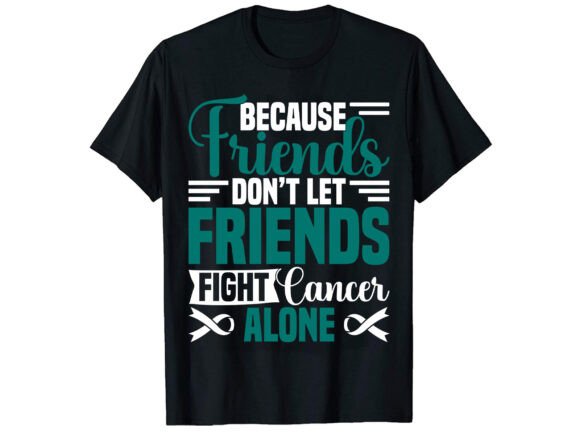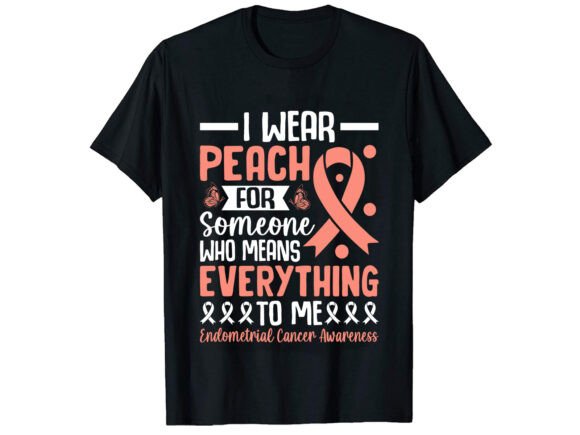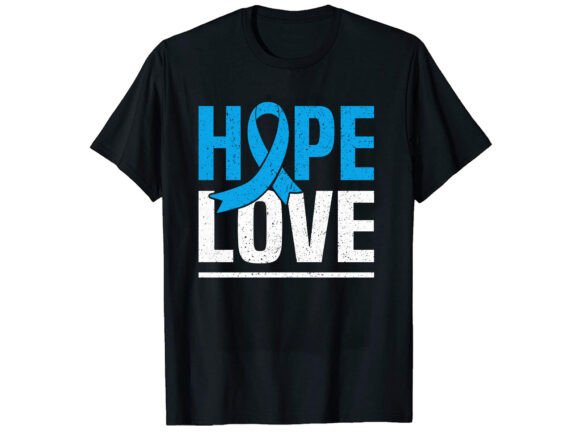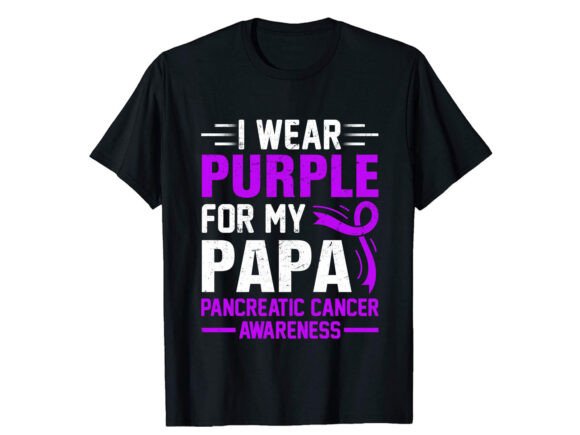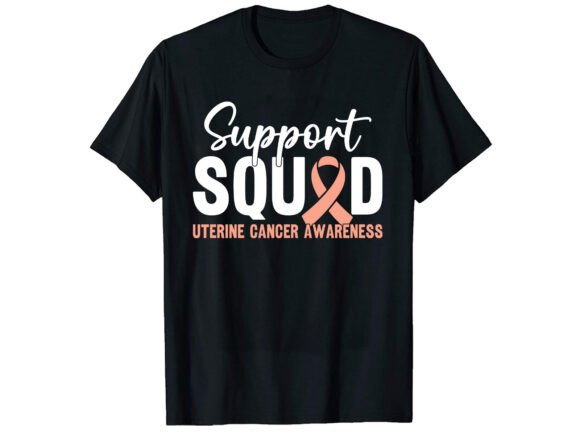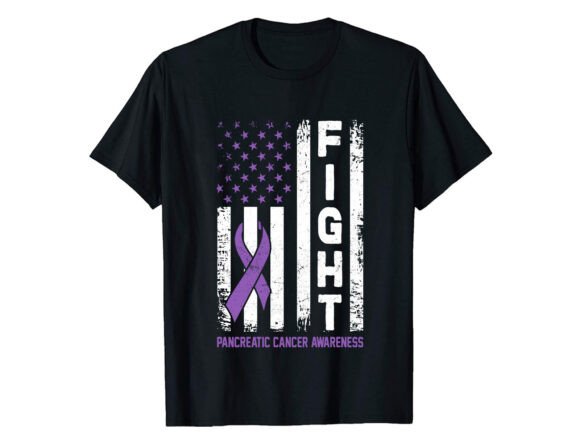
Fight Cancer Awareness T-Shirt Review
As a designer who spends more time than I care to admit staring at stitch patterns and debating thread colorways, I approach every new T-Shirt Designs submission with a healthy dose of skepticism. The market is saturated with generic awareness graphics, so when I pulled up the Fight Cancer Awareness T-Shirt, I wasn’t just looking for a pretty picture. I was looking for something that would translate well from a digital screen into a tangible, stitched reality. This isn’t just another clip-art download; it’s a potential asset for your craft business, your personal wardrobe, or a meaningful gift. Let’s break down how this design actually performs in the hoop.
First Impressions and Visual Personality
The immediate mood of the Fight Cancer Awareness T-Shirt is one of quiet resilience rather than aggressive shouting. In the world of embroidery, visual noise is the enemy. If a design is too cluttered, it loses its impact once the needle starts moving. This design strikes a balance that many designers miss. It feels clean, purposeful, and emotionally resonant without being overly sentimental. The layout suggests a strong central focal point, which is crucial for maintaining structural integrity during stitching.
From a graphic design perspective, the personality here is professional yet accessible. It doesn’t scream "cheap merchandise." Instead, it whispers "supporter." This distinction matters immensely if you are an Etsy seller or running a small boutique. Customers today are savvy; they can tell the difference between a mass-produced print and a thoughtfully designed piece. This design has the visual weight to stand on its own as a statement piece, whether it’s placed over the heart of a sweatshirt or centered on the back of a tote bag.
Real-World Application: Beyond the T-Shirt
While the title suggests apparel, limiting this design to a standard cotton tee would be a disservice to its versatility. I recently tested a similar concept on a variety of substrates to see where it truly shines. Here is how the Fight Cancer Awareness T-Shirt holds up in practical scenarios:
- Custom Apparel and Sweatshirts: This is the natural habitat for this design. On a heavyweight hoodie, the design anchors the garment beautifully. The contrast against dark fabrics like navy or charcoal creates a sophisticated look that appeals to adults who want to show support without being too loud. It works exceptionally well for custom apparel intended for charity runs or community gatherings.
- Tote Bag Design: I envisioned this embroidered on a sturdy canvas tote. The durability of the bag matches the enduring message of the design. For a craft business, this is a high-value item. A well-stitched tote with this graphic sells not just as a bag, but as a badge of honor for the wearer.
- Baby Embroidery and Nursery Decor: There is a surprising softness to the lines that makes this suitable for baby items. Imagine this on a muslin blanket or a onesie. It transforms a functional item into a personalized gift that carries deep emotional weight. However, scale is critical here; you must ensure the design is resized appropriately so it doesn’t overwhelm a tiny chest area.
- Embroidered Patch: Converting this into a patch application opens up endless possibilities. Sewn onto denim jackets, caps, or backpacks, it adds a layer of texture and permanence. This is perfect for commercial embroidery projects where clients want a removable or customizable element.
Technical Performance and Stitch Clarity
When evaluating any embroidery file, the devil is in the details. How does the design handle density? Does it pucker? Is the lettering legible?
The Fight Cancer Awareness T-Shirt appears to utilize a mix of fill stitches for the main body and satin stitches for outlining. This combination is generally safe and effective. The fill areas seem balanced enough to provide coverage without becoming stiff and uncomfortable to wear. However, attention must be paid to the finer details. If the design includes small text or intricate ribbon tails, these areas need sufficient spacing. Crowded details often merge together during stitching, turning crisp graphics into muddy blobs.
I strongly advise testing the stitch density on scrap fabric before committing to your final product. Different fabrics react differently to tension. A loose weave might distort the shape, while a tight knit might show puckering if the stabilizer isn’t chosen correctly. Always check if the design requires a cut-away stabilizer for stretchy fabrics like jersey knits, or if a tear-away suffices for woven cottons.
Thread Colors and Contrast
The success of this design hinges heavily on thread colors. Because it is an awareness-themed graphic, color symbolism is key. You cannot simply throw random threads at this design. You need to select threads that offer high contrast against your base fabric. On light backgrounds, darker threads will pop, creating a bold statement. On dark backgrounds, lighter or metallic threads might be necessary to ensure visibility. I recommend printing the design in black and white to check the contrast levels before loading your thread spools.
Where to Exercise Caution
No design is flawless across all mediums. There are specific scenarios where the Fight Cancer Awareness T-Shirt might struggle:
- Small Hoop Sizes: If you attempt to stitch this in a very small hoop (under 4x4 inches), you risk losing detail. Tiny lettering becomes illegible, and curves may look jagged. Stick to medium to large hooping sizes for the best result.
- Textured Fabrics: While linen and burlap have charm, their irregular surfaces can cause stitching errors. The needle might deflect, leading to misaligned stitches. Smooth fabrics like cotton twill or fleece are safer bets for this level of detail.
- Curved Surfaces: Applying this to a cap or a curved hat surface requires advanced technique. The design needs to be adjusted for curvature, or it will look distorted. For beginners, flat surfaces like aprons or pillow covers are much more forgiving.
- Dense Stitch Areas: Avoid placing dense sections directly over seams or pockets, as this adds bulk and discomfort. Plan your placement carefully to ensure the finished product is wearable and comfortable.
Practical Designer Notes for Success
To get the most out of this machine embroidery design, follow these practical steps:
- Test First: Never trust a file blindly. Run a test stitch on the exact fabric you plan to use. Check for thread breaks, tension issues, and registration accuracy.
- Inspect Small Details: Zoom in on the digital preview. Are there any isolated pixels or tiny elements that might not stitch out cleanly? If so, consider simplifying the design digitally before importing it.
- Stabilizer Strategy: Use the right stabilizer. For delicate fabrics, use a water-soluble backing to prevent residue. For heavy garments, a heavy-duty cut-away provides long-term stability.
- Licensing Check: Before selling finished items, double-check the license terms. Ensure you have commercial rights if you intend to sell these products on Etsy or at craft fairs. This protects your small shop product from legal issues.
- Mockup Creation: Create printable mockups to visualize the design on different products. This helps you market the item effectively by showing customers exactly what they are buying.
Final Verdict
The Fight Cancer Awareness T-Shirt is a solid, versatile addition to any embroiderer’s library. It avoids the pitfalls of overly complex designs while delivering a clear, impactful message. It is ideal for handmade product creators who want to offer meaningful, high-quality goods. Whether you are making a holiday gift for a loved one or expanding your design assets for your online store, this design offers good value. Just remember: the quality of the final output depends entirely on your preparation. Test thoroughly, choose your materials wisely, and let the design speak for itself.
In a crowded market, standing out means offering quality and empathy. This design delivers both. It is a thoughtful choice for anyone looking to create something that matters.