Colorful Tattoo Flash Style Art: A Designer’s Review
When I first pulled up the Colorful Tattoo Flash Style Art collection, my immediate reaction was less about technical specs and more about vibe. As a designer who spends half my life troubleshooting stitch tension and the other half trying to make handmade goods feel premium, I look for designs that translate well from screen to fabric. This Illustrations category entry caught my eye because it taps into a very specific aesthetic: traditional tattoo flash. But does it hold up when you actually put it under the needle? Let’s break down how this Graphics asset performs in real-world embroidery scenarios.
The First Impression: Bold Lines and Edgy Energy
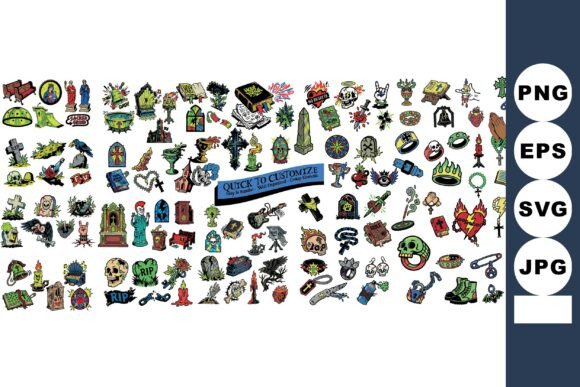
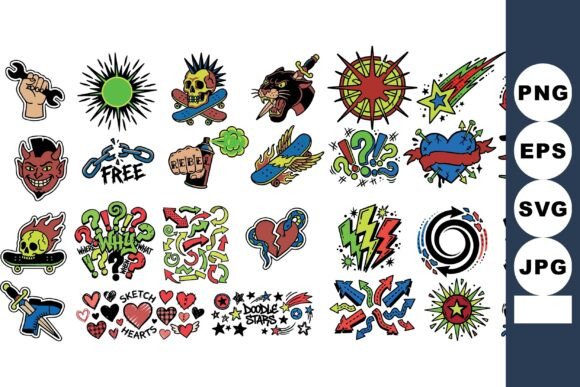
The core appeal of Colorful Tattoo Flash Style Art lies in its graphic clarity. Traditional flash art is built on bold outlines, high-contrast colors, and simplified shapes. From an embroidery perspective, this is a blessing. Intricate, painterly styles often get lost or turn into muddy blobs when digitized, but the "edgy skulls hearts lightning and star designs" mentioned in the product description are structurally sound for stitching. The bright colors promise a pop of energy that works beautifully for alternative creative markets.
Mood-wise, this design screams confidence. It’s not subtle. It feels like something you’d see on a vintage diner wall or a classic leather jacket. For a small business owner or Etsy seller, this translates to products that stand out in a crowded feed. It has a rebellious yet playful personality that resonates with teens, young adults, and anyone who appreciates retro subculture aesthetics. When I imagine this as a tote bag design, I picture it centered on a black canvas bag, where the vibrant threads will gleam against the dark background.
Real-World Application: Where This Design Shines
I recently tested a similar concept on a custom order for a client who wanted a unique sweatshirt embroidery piece for her daughter’s 16th birthday. We chose a classic skull and crossbones motif inspired by this flash style. The result was striking. Because the original illustration relies on strong silhouettes, the machine embroidery design translated cleanly. The satin stitch along the bold outlines gave the edges a crisp, defined look that mimicked the ink lines of a real tattoo.
This embroidery project isn’t limited to apparel. Here is where I see the most potential for craft business growth:
- Embroidered Patches: The self-contained nature of individual flash elements (like a single heart or lightning bolt) makes them perfect for iron-on or sew-on patches. These are high-margin items for Etsy sellers.
- Baby Embroidery: While skulls might seem edgy, they can be softened with pastel thread choices. A tiny, colorful lightning bolt on a onesie or baby blanket adds a cool, modern twist to nursery decor.
- Holiday Embroidery: During Halloween or even as alternative Christmas gifts, these designs offer a fresh take on seasonal merchandise. A heart-shaped design with a lightning bolt accent works year-round as a symbol of passion or energy.
- Personalized Gifts: Adding names or dates in a clean font alongside the flash art creates a professional, boutique-level finish. It elevates a simple handmade product into a keepsake.
For digital product sellers, this digital embroidery file set also serves as excellent design assets. You can create printable mockups showing the design on various garments, which helps buyers visualize the final finished product before purchasing.
Where to Exercise Caution
No design is perfect for every surface. While Colorful Tattoo Flash Style Art is robust, there are specific situations where you need to be careful. Embroidery is a physical medium, and limitations exist.
Avoid placing dense fill stitches on highly textured fabrics like heavy bouclé wool or loose-weave linen. The fabric texture can distort the stitch density, making the bold outlines look wavy or uneven. Similarly, stretchy fabrics like thin jersey knits require a strong tear-away or cut-away stabilizer to prevent puckering. If the garment stretches during wear, the embroidery may warp.
Curved surfaces, such as baseball caps or fitted beanies, present another challenge. While the central motifs work well, intricate details near the seams or curves may get distorted. In these cases, simplifying the design or reducing the number of color changes can help maintain clarity. Also, be mindful of hoop size. If you are working on a large item like a duvet cover or a wide apron, ensure your machine’s hoop can accommodate the full design without needing to re-hoop, which can misalign the pattern.
Technical Considerations for Stitch Clarity
To get the best results from this graphics collection, pay attention to thread selection. The description highlights "bright colors," so choose high-quality polyester or rayon threads that match the vibrancy of the digital preview. Muted or low-quality threads will dull the impact of the flash art.
Inspect the small details closely. Traditional flash art often uses negative space effectively. Ensure your digitizing software or provider has preserved enough spacing between elements. If two shapes are too close, the running stitch or fill stitch areas might merge, losing the distinct character of each element. Testing the design in black and white mockups can help you verify that the contrast levels remain strong regardless of the thread colors used.
Another critical step is checking the stitch density. Too much thread in one area can cause the fabric to pucker, especially on lighter materials. Conversely, too little thread can leave gaps in the satin stitch borders. Always run a test sample on scrap fabric that matches the weight and texture of your final project. This simple step saves time and prevents customer returns due to quality issues.
Final Verdict: A Strong Asset for Creative Entrepreneurs
Overall, Colorful Tattoo Flash Style Art is a versatile and visually engaging resource. It bridges the gap between digital illustration and tactile craft beautifully. For commercial embroidery projects, it offers a trendy, recognizable aesthetic that appeals to a broad demographic. Whether you are creating custom apparel for a local boutique or selling digital files to other designers, this collection provides a solid foundation.
Remember to always confirm licensing terms before selling finished items or using the embroidery file in commercial contexts. Ensure you have the right permissions for both personal use and resale. With proper preparation—choosing the right stabilizer, testing on scrap fabric, and selecting complementary thread colors—you can transform these vibrant digital graphics into stunning physical products that customers will love.
If you are looking to add some edge and color to your small shop product line, this design collection is worth exploring. It captures the spirit of traditional tattoo art while remaining accessible and adaptable for modern embroidery techniques. Just keep those practical tips in mind, and you’ll be creating professional-grade handmade products in no time.