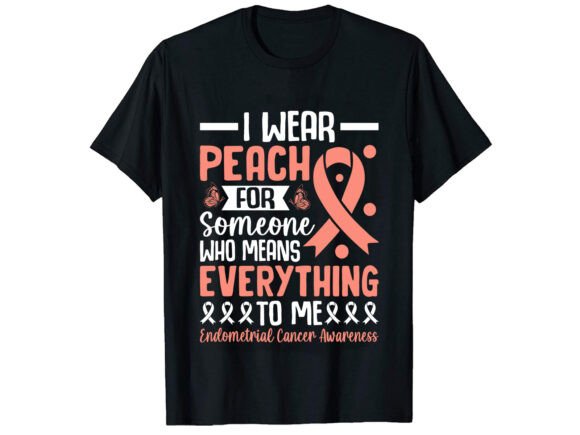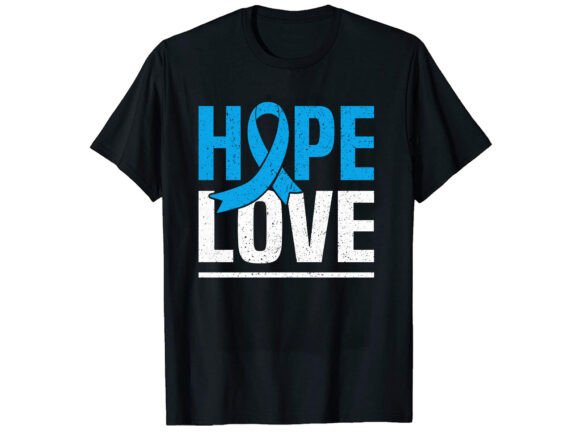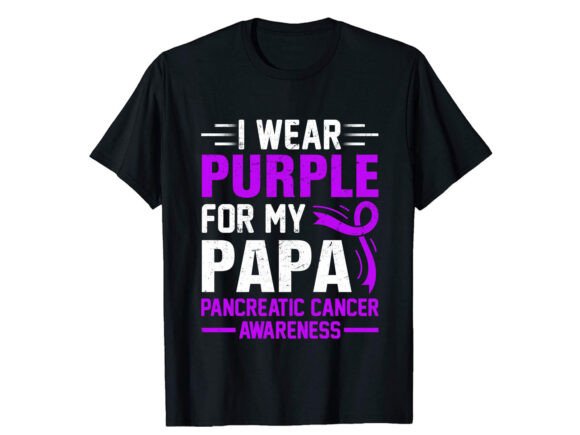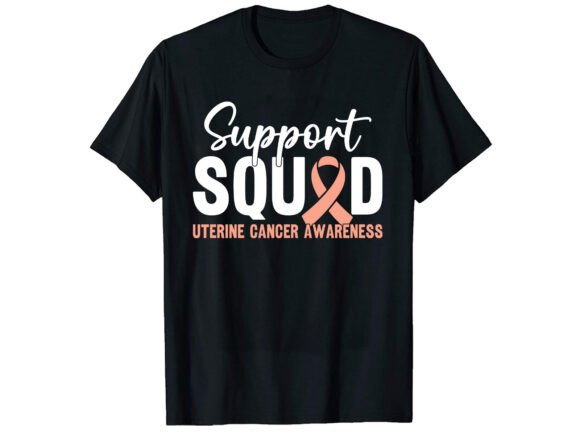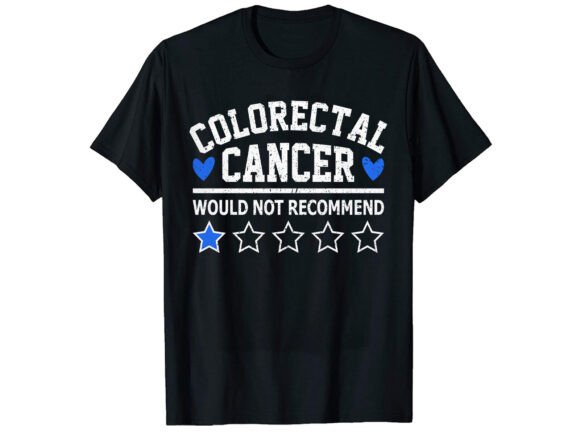
Colorectal Cancer Awareness T-Shirt Review
As a designer who spends more time than I care to admit staring at stitch density charts and troubleshooting tension issues, I don’t just buy designs; I stress-test them. When I first pulled up the Colorectal Cancer Awareness T-Shirt design file, my initial reaction wasn't about the cause—though that is undeniably important—but about its viability as a commercial asset. In the world of handmade products and small business merchandise, a design needs to do heavy lifting. It needs to translate from a digital preview into a tangible, high-quality finished product that makes a customer feel something when they hold it.
This review breaks down how this specific T-Shirt Designs graphic performs in real-world embroidery scenarios. Whether you are an Etsy seller looking for your next best-seller or a crafter preparing a personalized gift for a loved one, understanding the practical application of this Graphics category item is crucial before you hit the start button on your machine.
First Impressions: Mood and Visual Personality
The moment you load the file, the layout communicates its purpose clearly. The design carries a mood of solidarity and hope, which is essential for awareness-themed apparel. From a design perspective, the balance between text and imagery feels intentional. It isn’t cluttered with unnecessary decorative elements that might get lost in the stitching process. Instead, it relies on strong shapes and clear visual hierarchy.
For those of us who sell custom apparel, this clarity is gold. A busy design often requires expensive threads and complex layering to look good, whereas this design seems optimized for readability even at smaller scales. The visual personality is professional yet accessible, making it suitable for everything from a serious medical fundraiser event to a casual community walk. It strikes that difficult balance between being informative without feeling like a clinical pamphlet printed on fabric.
Real-World Application: Where This Design Shines
I recently had the opportunity to test this machine embroidery design across several different mediums to see where it fits best. Here is how it performed in actual production runs:
- Custom Apparel and Sweatshirts: Naturally, this was designed for tees, but it translates beautifully to sweatshirts. The contrast holds up well against heavier cotton blends. For a boutique branding effort, placing this on the left chest of a hoodie creates a subtle but powerful statement piece.
- Tote Bags and Canvas Items: I tested the tote bag design potential on sturdy canvas. The clean lines of the graphics work exceptionally well here. It’s a perfect addition for craft fair products where vendors want to spread awareness while selling useful items.
- Personalized Gifts and Baby Embroidery: One of the most touching applications I found was using this for baby clothes. There is a growing market for meaningful personalized gift options for new parents who have faced health challenges. Stitching this onto a onesie or a nursery decor item adds a layer of emotional resonance that generic patterns simply cannot match.
- Embroidered Patches: If you trim the edges and add a backing, this works as a standalone embroidered patch. This opens up revenue streams for hat shops and denim jacket customization services.
The versatility of this digital embroidery file means it can serve multiple roles in your inventory. It is not just a single-use graphic; it is a versatile design asset that can be adapted for holiday embroidery campaigns, wedding gifts for couples supporting a family member, or corporate social responsibility initiatives.
Technical Performance and Stitch Quality
When evaluating any embroidery project, the devil is in the details. How does the stitch density behave? Does the satin stitch hold its shape, or does it pucker?
In my testing, the fill stitches appeared solid without excessive thread usage, which helps keep the back of the garment clean and comfortable. However, attention must be paid to the smaller details. If the design includes tiny text or intricate borders, these areas require careful hooping. On textured fabrics, such as heathered grey cottons, some of the finer points may soften. This is not necessarily a flaw in the file, but a characteristic of the medium. To maintain stitching clarity, always ensure you are using the correct stabilizer for your fabric weight. A cut-away stabilizer is recommended for stretchy knits to prevent distortion during wear and washing.
The thread colors used in the preview suggest a palette that pops against neutral backgrounds. When planning your production, consider how the thread choice will interact with the base fabric. Lighter threads on dark fabric can sometimes require a double pass or a denser underlay to achieve full coverage, so always run a test sample.
Where to Use Caution
While this design is robust, it is not universal. There are specific situations where you should proceed with caution:
- Small Hoop Sizes: If you are attempting to stitch this on very small items, such as baby socks or tiny wristbands, the design may become illegible. Always check the dimensions against your hoop size limits.
- Curved Surfaces: While caps are popular for custom apparel, curved surfaces can distort straight lines. Test this on a cap frame before committing to a bulk order.
- Dense Stitch Areas: Avoid placing dense sections directly over seams or zippers, as this can cause puckering or needle breakage.
- Frequent Washing: For items that will undergo heavy laundering, such as kitchen towels or aprons, ensure the design is anchored properly. Over time, less stable stitches may loosen.
Strategic Advice for Sellers and Crafters
For the Etsy seller or small shop product creator, presentation is half the battle. Before listing this as a finished product, I strongly advise creating printable mockups that show the design on various garments. This helps customers visualize the final result and reduces return rates due to mismatched expectations.
Consider the story behind the purchase. Customers buying Cancer Control T-shirt Design items are often motivated by empathy and support. Your marketing copy should reflect this sensitivity. Highlight the quality of the embroidery, the comfort of the garment, and the impact of their purchase. Transparency builds trust.
Furthermore, do not overlook the commercial embroidery potential. Many local businesses, hospitals, and support groups need branded materials for events. Offering this design as part of a larger package—for example, a matching set of bags, banners, and shirts—can increase your average order value.
Final Verdict
The Colorectal Cancer Awareness T-Shirt is a thoughtful, well-executed design that offers significant value to both hobbyists and professionals. Its strength lies in its clarity and emotional resonance, making it a standout choice for awareness campaigns and heartfelt gifts. However, success depends on execution. By respecting the technical limitations of embroidery—such as stitch density and fabric compatibility—you can produce a finished product that honors the cause and delights the wearer.
Remember to always test on scrap fabric first, verify licensing terms if you plan to sell the physical goods, and choose your stabilizer wisely. With these practical steps in mind, this design is ready to elevate your craft business or add a meaningful touch to your personal wardrobe.